Posted on Leave a comment

Sponsored: Keeping Warm Over Winter

Electric Stove

The NHS states “Cold homes have a significant impact on people’s health.  One of the best ways of keeping yourself well during the winter is to stay warm.”

Keeping warm can help us cut down on our risk of health problems like cold, flu and even heart problems.    Last year, we had almost a month in the very cold weather with ZERO heating.  Our boiler packed up and the new one that arrived was also faulty.  Luckily we had a duel fuel system and still had hot water on electric and the gas fire in the lounge.  It was just the gas heating in the rest of the house that we struggled with and the kids hated having showers in really cold rooms.

There are certain people who are more vulnerable to when it’s cold:

  • Over 65’s.
  • Babies
  • People with long term health conditions.
  • The disabled.
  • Low income groups.

In the UK, the NHS says that around 25,000 – 30,000 deaths a year are linked to the cold weather.   We can look at ways to keep warm over the winter which can also help keep costs down.

To stay well over the winter, we can try some of these tips:

  1. Get our flu jabs.  Over 65’s or those who are pregnant or have some medical conditions, or are carers will get it free.   I am classed as a carer and get my injection every year as soon as it is available in a bid to help stop the flu in our home but before I was eligible for the free flu jab, I used to pay for it yearly.
  2. Set our heating properly.  Keeping doors and windows closed is sensible to keep the heat in.
  3. Wear layers of clothing and suitable footwear for outdoor cold weather when we go out.
  4. Eat well. Eating hot food and drinks as well as keeping active is another way to try and keep warm.
  5. Electric blankets are ideal for keeping cosy without breaking the bank.
  6. Hot water bottles are perfect for keeping our feet warm and cosy in front of the TV.
  7. Close the curtains as soon as they daylight stops.

I know we could use a stylish wall fire from TJ Hughes  for our home office as the radiator in there really isn’t big enough to heat the room properly.  It gets overheated in summer and is extra cold in winter.  Perhaps that is because it has a very large window, but the extra heat would be very welcome in there.

If you are on a low income and feel you might struggle with fuel this year, there are some cold weather benefits you might like to spend a bit of time to find out if you are eligible for.  Some of the most common ones are:

  • Grants for winter fuel payments and cold weather payments.
  • Winter fuel payments for those born before July 5 1951.

Find out more.

This is a sponsored post.

Posted on 9 Comments

Living With Endometriosis On A Day To Day Basis

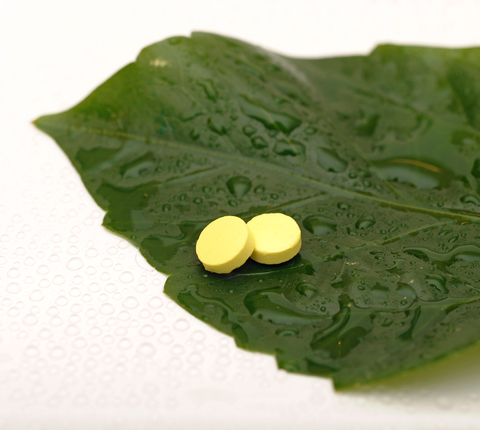
Tablets

Living with a chronic disease means that we have to take control of how we live with it daily.  Endometriosis is a condition that affects up to 10% of the female population and can cause chronic pain, infertility and heavy periods.

Endometriosis is a very personal journey.  Life with endometriosis, which is a chronic (long-term) disease, is different for each person who suffers from this painful condition.  When I was diagnosed with it, I had no idea what it was or how it would continue to affect my daily life.

The NHS describes endometriosis as:

“a common condition in which small pieces of the womb lining (the endometrium) are found outside the womb. This could be in the fallopian tubes, ovaries, bladder, bowel, vagina or rectum.”

In simple terms, tissue from the womb plants itself outside the womb and often adhers to other organs. These deposits of tissue act like miniature wombs, grow with our monthly cycles and then bleed, but there is nowhere for the expanded tissue or blood to go.  It causes pain and inflammation in our abdomens and can then increase the deposits outside our wombs.

I’ve suffered from endometriosis for almost two decades and although my ovaries failed early with repeated surgeries to remove endometrial cysts, I still suffer from cycles of symptoms.  My pain levels are much reduced with the early menopause but it still affects my daily life.  I still use the same management strategies I developed at the height of my cyclical pain.

Managing endometriosis can be difficult if the pain is severe.  One of the most important things is to find a sympathetic GP who believes in the condition.  I wish I had not been embarrassed by my symptoms and had shared them much earlier than I did.

Endometriosis is usually classed in stages of severity.

  • Stage 1 – Minimal
  • Stage 2 – Mild
  • Stage 3 – Moderate
  • Stage 4 – Severe

I was diagnosed with Stage 5.  I thought they were kidding at first, but I soon realised that the severity of the disease in my abdomen had affected both my fertility and my organ functions.  My symptoms included very long, painful and heavy periods, back pain, pain that radiated down my legs and a frozen pelvis where my organs were glued together and didn’t move around as they should.  I was eventually diagnosed by laparoscopy and learned that as well as surgery, there were other ways for me to help myself manage the symptoms.

I went through several surgeries, both open laparotomy with a massive scar and the less invasive laparoscopic keyhole surgery to remove endometriosis and the blood filled chocolate cysts that had formed on my ovaries.  Thankfully, I was referred to an excision specialist that took the disease off the organs it was eating into.  My bowel was affected but I was lucky enough that my endo was peeled off and had not eaten into my bowel.   I know others are not so lucky with bowel involvement, although I am barred from further operations without the real possibility of a colostomy bag afterwards as my bowel loops are now stuck to my other organs and right behind my belly button.  Any operation on my abdomen now has a high chance of cutting into it.

I take offence at people who think this doesn’t exist or is all in our heads.  I’ve seen the images and the damage that this disease can cause.  Yes, some women will have it mildly with almost no symptoms, but they are by no means the rule.  This can be a very painful and life limiting disease.   I also find it hard to deal with women who say things like “Oh, I have period pain and I just take a painkiller and get on with it.”

A consultant told me to explain it to sceptical women like this: “imagine a problematic and prolonged labour and giving birth month after month after month with no end in sight, no painkillers and nothing to look forward to at the end of it.”

And I read that it should be explained to sceptical men like this: “imagine trying to go about your daily business with your male anatomy squished together tightly by rubber bands and the package sewn tightly to your stomach over your belly button.”

My surgeries put me into early menopause which thankfully reduced the vast majority of my symptoms, but not all of them.  I still need to keep on top of it although I no longer have to run my life around how badly the pain is day to day.

1 – Use Pain Medications

As well as treating the disease with stronger medications such as zoladex and buserelin treatments to put us into temporary menopause, or the pill to stop a lining forming, plain old pain medications can help with the cramps and radiating pain.  We don’t always want or get offered surgical intervention and I needed to give up with over the counter medications.  My doctor gave me stronger pain killers which helped to alleviate some of the symptoms.  I had reasonable success with dihydrocodeine and strong ibuprofen taken at the same time, and although I can manage on plain old paracetamol and ibuprofen now, I used to need much much more just to be able to stand up.

2 – Heat

I learned that applying heat through using a heat pad or hot water bottle on my abdomen and lower back helped to relieve the cramps.  Regular warm to hot baths helped with my lower back and leg pain.

3 – Tens Machine

I had a lot of success at work where it was not practical to use a heat pad, by having a small tens machine on my abdomen to help alleviate some cramps.  It was not at all helpful in a full blown pain attack, but helped me live with the daily less painful aches.

4 – Keep a Pain and Food Diary

A pain diary would have made it much easier for my doctor to see the developing pattern and link it to endometriosis as a possible cause.

Keeping a food diary helped me to find out the common factors, timings and levels of pain that I had experienced and relate that to what I ate. By writing it down, I was able to see patterns that emerged monthly, weekly and daily in my life. It allowed me to begin to make better choices for my health.

5 – Diet and Environmental Factors

A bloated stomach with pain on eating some foods became more obvious the longer I lived with the condition. In extreme pain cycles, I learned to stay away from yeasty and spicy foods, caffeine and gluten. I ate more fruit and vegetables. I removed overly bleached products that could increase my exposure to dioxin such as sanitary towels and tampons.  I haven’t needed these products for over a decade, so I have no idea if they have evolved to be dioxin friendly, but it is an area worth looking at.  I avoid eating or drinking from polystyrene or plastic containers as often as I can as I read those can leach oestrogen into the food or fluid inside.  I want to stay away from oestrogen as much as I can as it brings back my endometriosis symptoms, but it’s often too tempting to enjoy a take away coffee and I think I would be reaching the stages of paranoia if I refused everything that came in plastic.

6 – Support

I’d never heard of anyone else with endometriosis when I was diagnosed. Finding other people in the same situation was important for the sharing of knowledge and knowing I was not alone. Endometriosis UK is a charity which has message boards for sufferers. I wish it had been available when I was first diagnosed.

7 – Exercise

Before my condition worsened, I used to exercise daily, frequently and very hard. When my endometriosis pain increased, I realised that my exercise levels were unrealistic and that a simple walk was the equivalent of climbing a mountain. I found in very severe pain bouts, that exercising by using rocking motions on a birthing ball and short walks helped my body to cope, as did using breathing exercises taught to expectant mums when I couldn’t stand up.   I’ve never managed to get back to my pre-endometriosis fitness levels and find myself with both food issues and fibromyalgia post endometriosis.  It’s a long ongoing process for me to find both time and inclination to exercise.  I’m hopeful for the future, but it won’t stop me living my life just because I’m not where I want to be fitness wise.

 

Posted on 6 Comments

5 Myths of Drinking Alcohol

Alcohol 2Because I post so often about Foetal Alcohol Syndrome, people seem to think I am anti-alcohol all the time which simply isn’t true.

Anyone who wants to knock their livers into insensibility by drinking more than the average hippo could put away in a year only had themselves to blame if they’re not affecting anyone else, however everything in moderation as long as you’re not pregnant and I’m fine.

There are lots of myths about alcohol and although yes, it can lead to horrendously embarassing tweets and pictures on Facebook, it seems to be the drug of choice for many adults in our first world list of things to enjoy.

So – the myths:

1 – Drinking Coffee Will Sober You Up

I don’t know who invented this old chestnut.  I remember having the saying repeatedly drummed into my head as a late teen with a heavy hangover, but it just isn’t true at all. You can’t sober up any faster than it take for alcohol to leave your system.  You may feel more alert with the caffeine infusion, but you’ll still have to wait.

According to the NHS, it take approximately one hour for each unit of alcohol to leave your bloodstream but that can depends on things like weight, age, food eaten, liver function etc etc.

2 – You Sober Up Faster If You Are Sick

A well meaning friend once told me this as I hunched with my head over a toilet bowl in a nightclub.  “Put your fingers down your throat, you’ll feel better,”  Never able to achieve the magic formula that equals self induced vomiting, I carried on hugging the loo bowl while retching and watching the floor spin around faster than than a centrifuge on fast.

Again, you can’t sober up any faster than it takes for alcohol to leave your system.  Is this getting a little boring?  Yes, you might manage to lose a little of the liquid still in your stomach, but generally, it’s really not going to help at all if you try this as a cure all.

3 – Light Coloured Alcohol Keeps You More Sober Than Dark Coloured Alcohol

I have to laugh at this one.   Yes alcohol contents differ on the bottles when we check them, but it doesn’t mean that vodka could be any less hangover inducing than rum.  In this case, the lighter the colour doesn’t mean the less hardened drinker.

4 – Don’t Mix Wine, Spirits and Beer

I had this thrown at me by friends several times that mixing drinks makes you get more drunk, more quickly.  While I’ve not found any research statistics to back this one up, it stands to reason that it’s the alcohol content in each drink that makes the resulting hangover better or worse than you expected.  I’ve never drunk beer as just one sip has the effect of making me gag so I never had the opportunity to test this one out, but mixing wine and spirits is not going to make any difference if the alcohol content is the same.

5 – Lining Your Stomach With Food Will Stop You Getting Drunk So Quickly

Now this one I tended to believe as it was a good excuse to go for a meal before going for a night out.  It’s only recently that I realised it was a complete myth and totally untrue.   Yes, drinking on a full stomach might very well mean that it takes alcohol a little longer to be absorbed into our bloodstream, but it will still be absorbed.   It might be a good idea to have a meal inside you before drinking but it isn’t going to stop you getting drunk.

Posted on 11 Comments

The Caffeine Effect

Coffee-Beans-2Sweating and with a heavy headache, coming off caffeine was no easy feat.  I hadn’t realised I was so addicted until I tried to stop drinking diet fizzy drinks.  It wasn’t the aspartame that people tend to attribute as the biggest problem, as that was still in the diluting juices I fizzed with my soda stream instead.

I must have been taking caffeine in large doses although I really had no idea just how much it took to end up with withdrawal.  I was obviously sipping enough of it as the withdrawal was very obvious.

I’ve heard people saying that caffeine isn’t addictive, but if you have ever ingested lots of it over  a long time frame and tried to stop, you’ll probably get some of the symptoms I suffered with it.  I believe caffeine is a mild painkiller, so perhaps lots of us self medicate by using it.  Boots tells us that caffeine helps other pain relievers to work better, and is often in over-the-counter pain relievers, cold medications and diet pills.

I know that coffee and tea are the ones we know most about, but where I took most caffeine in was with my Diet Irn Bru and Diet Coke.  My kids were also all imbibing it in larger quantities by wanting Pepsi Max which seems to be Diet Pepsi with added extra caffeine.  Cocoa beans contain some caffeine, and Pro-Plus tablets / Energy Drinks contain quite high levels.

We all know people who take caffeine to keep them awake or to appear brighter, but where should we draw the limit?  On the Diet Coke bottle beside me, I can’t even find how much caffeine is actually in it so keeping tabs on how much we eat/drink isn’t the easiest of tasks.

There is actually less caffeine in Coca-Cola and Coke Zero than in Diet Coke which surprised me.

In 500ml of fluids, there are approximately:

  • Coca-Cola 48mg
  • Coke Zero 48mg
  • Diet Coke  64mg
  • Pepsi 50mg
  • Diet Pepsi 48mg
  • Pepsi Max 92mg
  • Instant Tea 48 – 62mg
  • Instant Coffee 120 – 170mg
  • Diet Irn Bru – (Approximately 50mg.  I couldn’t find the exact amount anywhere)

Caffeine stimulates the central nervous system and although we do end up with a dependence, it isn’t thought that it would affect our physical health.

Symptoms of withdrawal usually go away after a few days, and may include:

  • Headaches
  • Tiredness
  • Irritability
  • Brain fog (difficult concentrating)
  • Anxiety
  • Shakes
  • Increased heart rate

Daily limits for health are not easily found.

I’ve seen it spoken about that levels around 500mg + of caffeine a day may cause some problems.  Although caffeine is a well studied substance, each persons tolerances are different.

I used to drink about 4 litres of diet irn bru a day which would take me to around 200mg of caffeine a day.  That’s not a massive amount in the terms of caffeine intake, yet I did suffer incredible headaches and used to get stressed if I thought I was about to run out of my liquid nectar which seems totally daft to me now.  I didn’t suffer the other symptoms of withdrawal, but the headache was enough for me.  There are times when I drink a Diet Coke that I can have indigestion, so I do think that caffeine has an effect on me.

Is caffeine safe?  

Who knows, but the effects certainly seem to have been well studied.  I think this is one additive to products we really all have to take our own responsibility for.

Posted on 9 Comments

Drinking When Pregnant: Woman refused a glass of wine by barman.

Wine AlcoholDefying my ability to understand human nature, I am in the court of the poor barman who has probably been hauled over the coals for taking a stand and refusing to serve an obviously pregnant woman with a glass of wine.

It also defies my belief that a heavily pregnant woman would want to go drinking when pregnant and have a glass of wine in the first place.  Yes it’s her choice, but for goodness sake, what about the baby in her belly.  Do women really not realise that alcohol passes through to the foetus unfiltered?

I know that one glass of wine gets me tipsy nowadays so I really do have to wonder just how tipsy it would make a bubba growing slowly in a belly.

I live with a child suffering the effects of someone else’s drinking as a pregnant woman and I feel nothing but disgust for anyone who isn’t an alcoholic choosing to drink while they are pregnant.  I can understand alcoholics as they’re driven by cravings and need, with an illness that is as hard to break as any drug or food obsession, but I can’t understand why someone would want to drink alcohol when they can choose not to.

So, the short version is that someone past their due date popped into a bar for a glass of wine and got refused.  And the barman was slated for it.

If someone really had done extensive research on the effects of drinking alcohol while pregnant, I’d find it hard to believe that they’d then choose to have one, but each to their own.   They do have to realise though, that other people have their own code of moral conduct and there are other people who just cannot stomach seeing that happen.

The Telegraph quoted

“The barman came up to me and said he wouldn’t serve me because he couldn’t have serving a pregnant woman alcohol on his conscience.”

The woman states:

“I felt like asking whether he refuses to serve fat people pies, or whether the bar checks how much caffeine a woman has consumed that day before they serve her a cup of coffee.”

Well, the fat person eating pies, or the woman drinking caffeine who isn’t pregnant – aren’t taking risks with anyone else’s life but their own.

The Telegraph also stated:

“The NHS advises that pregnant women should drink no more than 1 to 2 units of alcohol, the equivalent of a small glass of wine, once or twice a week to minimise the risk to their unborn child.”

Ding, ding, ding.   Disappointing for the Telegraph.

The NHS actually states.

The UK Chief Medical Officers’ advice to women is:

‘Women who are pregnant or trying to conceive should avoid alcohol altogether.  However, if they do choose to drink, to minimise the risk to the baby, we recommend they should not drink more than 1-2 units once or twice a week and should not get drunk.’

It also states:

“If women want to avoid all possible alcohol-related risks, they should not drink alcohol during pregnancy because the evidence on this is limited.”

The NHS goes even further to say:

How does alcohol affect my unborn baby?

If you drink alcohol when you’re pregnant, the alcohol crosses the placenta into the bloodstream of the unborn baby and could interfere with how it grows and develops. In the absence of its own blood filtering system, the foetus is unprotected from any alcohol molecules that cross from the mother’s blood.

Alcohol can cause damage to an unborn baby at all stages of pregnancy. Drinking during pregnancy has been associated with:

miscarriage (over 9,000 women are admitted to hospital every year for miscarriages caused by alcohol [NHS Information Centre Hospital Admission data])
low birth weight
heart defects
learning and behavioural disorders

Yes, it’s a womans right to make her own choices, after all, it’s not illegal.

It’s a pity the baby doesn’t have any rights whatsoever until it’s born.

Would the same women who want to glug a glass of wine in pregnancy fill a feeding bottle with wine and have their babies chug down a glass of wine?

You won’t find any foster or adoptive parent who cares for a child affected by the mothers drinking in the womb approving ANY alcohol whatsoever.

Three cheers for that barman.  He is my hero of the year.

Posted on 8 Comments

Are Artificial Food Colourings REALLY Bad?

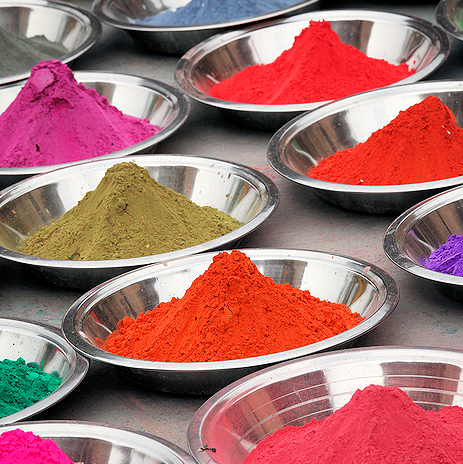
Food Colouring

Looking at the ingredients labels on bottles tins and cans when my kids were little would have me literally scream inside and look around carefully for the bad mother halo replacement to be plonked on my head if I chose to feed them something with horrific artificial content.

I’d plonk the offending food items back on the shelves and carry on sanctimoniously with my shopping.

Food additives seemed almost impossible to avoid unless we made everything from scratch.

All of my boys suffer from ADHD along with the other things they live with daily.  I’d spent a lot of time and effort researching what is good and what isn’t for them, and still I got it wrong.

Giving the boys a Fruit Shoot would have them bouncing off the walls and heading for the roof.

At one time, Haribos being fed to my boys would see me looking for the nearest bolt hole to sit out the impending devastation that someone else’s mother has wreaked on my home in the aftermath of their feeding my kids things I’d asked them not to.

I really didn’t give a monkeys about sugar.  A sugar rush was NOTHING in comparison to some of the effects of other foods their bodies seemed to send them begging on their hands and knees for.

Additives have to be assessed for safety before they can be used in our food and drink, but that doesn’t necessarily mean that they’re all ok for every person.   Due to EU laws, all food must be labelled clearly in the ingredients section, but here too, I found it difficult to tell the difference when there are several terms that can be used for the same thing.

I quickly learned that there were ingredients to avoid, and others that didn’t matter too much.

The Food Standards Agency has also said that consumption of mixes of some artificial colourings with the preservative called sodium benzoate could also lead to an increase in hyperactivity in some children.

The artificial colours they identified were:

  • sunset yellow FCF (E110)
  • quinoline yellow (E104)
  • carmoisine (E122)
  • allura red (E129)
  • tartrazine (E102)
  • ponceau 4R (E124)

The FSA states

“A European Union-wide mandatory warning must be put on any food and drink (except drinks with more than 1.2% alcohol) that contains any of the six colours. The label must carry the warning ‘may have an adverse effect on activity and attention in children’.”

As a family, we’ve noticed a big difference with sunset yellow and sodium benzoate.  It rules out a lot of orangey / yellow coloured drinks, but the kids are glad now that some of the things they used to be banned from, they can now eat.

  • Eating smarties – or rather not eating them was a major upset when my boys were little, but now they can.
  • I believe Fruit Shoots have made their drinks more child friendly, but as we’ve not used them for years, I have no idea how much better they actually are.
  • Haribos seem to have new labels on their sweets too, but I’ve not checked closely enough to see just how many additives they’ve removed.

I’ve a lot of respect for the companies actually making the effort to provide good substitutes for artificial colorings in food.  I wish more would do the same, and consider doing away with monosodium glutimate too as that gives me a headache.

Research was also undertaken by Southampton University which suggested eating or drinking some artificial food colourings could be linked to a negative effect on childrens’ behaviour.

The FSA has amended their advice to state:

” If a child shows signs of hyperactivity or Attention Deficit Hyperactivity Disorder (ADHD), eliminating the colours considered in the Southampton study from their diet might have some beneficial effects on their behaviour.”

Nobody knows more about the effects of some additives and foods on our individual children, but if you need to find out more about the research, it’s available on the FSA website.

Chronic and acute effects of artificial colourings and preservatives on children’s behaviour


Posted on 17 Comments

Hypermobility Syndrome (HMS) / or Wibbly Wobbly Joints As We Know It

Two of my boys have hypermobile joints.  You know the ones that can turn their elbows inside out, or stick out their shoulder blades at completely stomach churning angles.  One of mine can do that.

Littlest can turn his feet to direct opposites of each other.

HMS1

In simple terms, hypermobility is the ability to move our joints further than the normally expected range of movement.  It can range from very mobile to some of us with almost no mobility at all (like me).

Many hypermobile jointed people are described as “double jointed.”

The different levels can made a big difference to quality of life.  My boys are lucky enough that theirs is easily spotted, yet allows them to still lead an active and quality life.   They can do things like stick their shoulder blades out at wierd angles that make me cringe, to folding their thumbs back so that they they are in line with their arms.

How common is it? 

It’s fairly common at some level in our population.   For some people, it might just be elbows and fingers and for others it may just be fingers that make it difficult to hold a pencil.  Yet more people might find it difficult to do some everyday things, and for others it might even be a benefit.  Imagine if you are an athlete whose edge could be that your hip joints give you that little more flexibility for each step and propels you further forward.

I watched a TV programme that Cheryl Cole was on where she demonstrated her hypermobile elbows, so it can affect anyone.

Quite often children seem to “grow out” of HMS as it can often seem to reduce as they get older.

Problems

My youngest has learned that it doesn’t take much to dislocate his thumb.  It folds back on itself, right to his arm, but a knock easily dislocates it.  That is incredibly painful for him and although it pops back in place easily, it takes a good couple of weeks for the pain to subside.  I suspect that occurs as although his joint over extends easily and he doesn’t really realise that it can go too far.  I’m grateful his healed up fine, as HMS injuries can be difficult to recover from.

He struggles to hold his pencils or pens correctly and although there are pens and pencils for people with HMS, in reality, it’s difficult for them to keep hold of.  Other children tend to want to try them or they are easily broken.  Children often don’t want to be different from their peers and might just not use them anyway.

We’ve got round that for lengthy writing exercises by having a laptop available for him to use, but again, he has to be told to use it or he’ll just potter on with struggling to hold his pencil and not manage to write very much.  It takes so much effort to just put pen and pencil to paper, that the quality and quantity of output can be quite poor and the condition unrecognised as an issue by teachers.

Pain

Some HMS affected people can experience pain from their joints, and it can be to the extent that it is misdiagnosed or interfere with daily living.  Thankfully we have not got to that point and hopefully we never will, but it is always good to know what the future potential can be.

Diagnosis

It does pay to have HMS diagnosed.  I hadn’t realised what it was until my eldest had a thumb injury and the physiotherapist told me he had it, and she watched my youngest writing and told me he also suffered from it in his fingers and thumbs.

Without the diagnosis, youngest wouldn’t have his school laptop and we wouldn’t know to watch out for hand injuries.

If they had less obvious symptoms I wouldn’t have bothered.  I just thought eldest and his shoulder blades were a bit like a party trick.    Diagnosis also helps to pinpoint later on if there are some more serious effects and it helped us to understand that it wasn’t much of a blow that dislocated both eldest and littlests thumbs on different occasions.

There is a scoring system, the “Beighton Score” which grades the body to identify possible hypermobility in some parts of the body, but it is usually best diagnosed by a doctors examination and they can help suggest things to help if it is causing problems in life.

Where do I get help?

Find out more about HMS by visiting the following:


Posted on 5 Comments

Blogging with a Nexus 7

Argos Nexus 7

I decided to take blogging mobile, and tried a nexus 7 from Argos.

I’ve used a Nexus before as my youngest has one for games and reading, but I’d never tried to blog using one.

Nexus Box

I didn’t have long to wait for my box and I had to be careful as I plan this to be a Christmas present for my eldest.

The box is small, strong and actually quite tricky to get open.  It’s very closely packed so there seems to be no room for movement within the box which is a good thing.   Google tends to make for good computer programmes, so it isn’t really a shock to find that their tablet version has been such a hit with it’s reasonable price tag and fast responsive screen.

The 7″ screen is lovely and shiny and the weight of the Nexus is actually quite reassuring in your hand.  In the box is the Nexus and a charger cable and plug.

photo (11)

When I switched on, I was greeted by several very easy to follow screens that talked through how to set up and create a Google Account.  When it loads up, the apps and possibilities to put widgets with changing and updating information on the home screen is fairy easy to navigate.

Google has made the set up pretty intuitive so there really wasn’t much to worry about at all and most Internet savvy kids would manage to do it without much problem at all.

Make it google

I hadn’t had a chance to look through the book store on Android so it gave me a good opportunity to have a good look around and there seems to be plenty of choice, and also the ability to download a Kindle app which is always a must on any device that I ever use.  I have a fair few books from Amazon that I’d like to keep hold of.

Settings are fairly comprehensive, as are the parental options.  We can set up a different account for each member of the family on one Nexus 7 which impressed me very much.  That means I can have my apps on one account and kids can have a different account with their own apps on the same wee machine.   That’s fairly impressive to me.

Book Store

More new territory for me was downloading the WordPress app.  It’s simplified on Android, but it’s also more than enough to be putting some blog posts on.  The Nexus I have has the front facing camera which is basic, but it’s fine for doing things like Skype.  Kids can use it for taking pics of other things and an app download really helps to make using the camera easier.

I believe the new Nexus 7 has a back facing camera for regular style pictures, but for my kids, I’ve found the one on my version perfectly adequate as they mostly just want to take selfies anyway.

Wordpress

I did a fairly simple blog post for a first one on the Nexus.  A simple silent sunday one where one picture is posted with no words to tell its own tale.  To get a better quality picture, I sent one from my phone to the Nexus by e-mail and simply picked it from the options on the WordPress write new post menus.

For typing, I found the keyboard actually fairly good and easier to master than the Apple one when I first tried that.  The screen is very responsive, very very clear and pleasant on the eye to look at.  It really is easy to see why it took the tablet computing market by storm when it came out and has had such rave reviews.

Blog Post

I’m going to potter with the Nexus for a couple more days and then wipe it clean and set it up again with my eldests information and e-mail.  He is going to be one happy bunny indeed.  I can’t justify the price of iPads for all my kids and these do the job pretty nicely at £159.

My Nexus 7 is a Wi-Fi version which hooks up quite nicely to my O2 phone as a hotspot when out and about and when there isn’t any Wi-Fi available.

With one Christmas present secured, please say it’s really not too early to talk about Christmas, Santa and Elves.

We gratefully received a Nexus 7 from Argos?

Posted on 4 Comments

Child’s Book Review: Max Goes To School

A new book has been published that provides a lasting tribute to a fantastically courageous schoolboy who lived in Aberdeen.

Sadly, Max lost his life at the very young age of 11, which is the same age as my middle special needs child.  I didn’t know Max, but I can understand that it would be so difficult to think of something that would provide a future memory, so I applaud Max’s family for finding a special and personal way to share his life in a fun and happy way.

Max had a serious heart infection that led to a aneurysm after being diagnosed with DiGeorge syndrome as a child.

Despite surgery within a few weeks of birth, Max Lechner lived a full and happy life.  He attended Cults Primary School where he was a popular pupil and friend.

The book is called “Max Goes To School.”

Max Goes To School

When it arrived, my youngest child immediately picked it up, read it and chuckled all the way through.  The book was written by Max’s aunt Nicky Bakonyi and the pictures were created by Michael Mucci.

Darcy Bussel CBE, said “You will fall in love with Max, a child who will, without fail, make you smile, and a personality you will never forget.

The book was launched on the 28th August by family and friends of Max and is a very light hearted story of a typical day with Max playing the leading role.

It is a children’s book and is a really good read and is very appropriate for all children as it is really a lovely, funny and heartwarming tale all the way through, from Max chasing his pet mouse Bertie to wolfing down a huge stack of pancakes.   I wonder who Mr Smithereens is, and if he is happy with his cartoon character !!

maxpancakes

The book is funny, it’s clever and it’s a great story that will appeal to all children.

The proceeds from the book will be divided among four good causes.

  • Max Appeal – giving support to those with DiGeorge syndrome.
  • Ronald McDonald Home – accommodation at Yorkhill and other children’s hospitals in the UK and around the world.
  • Yorkhill Children’s Charity – supporting Yorkhill Hospital in Glasgow where Max received specialist tratement.
  • Humpty Dumpty Foundation in Sydney.

With all our support and buying a book that would be a great Christmas stocking filler, the book will support children in the chosen charities.

The book is available at Waterstones and John Lewis in Aberdeen and can be easily sourced in the North East and Glasgow.

To buy online, the book is available from e-bay for £5.99, or find out more information about Max at www.maxgoestoschool.com

It’s really really good and hopefully it is the start of a whole series for our kids to enjoy.

Disclaimer:  We were provided with a copy of Max Goes To School but were under no obligation to write about it.  I’d like to thank the PR for the book as it is actually very lovely and it is well appreciated by us.

Posted on 6 Comments

A Week In France

We’ve just moved on from a week in France, and although we chose a small town to visit, we’ve been impressed by the supermarkets here.

We drove down from Aberdeen, taking three days to get there for the 1100 mile journey and took the P & O ferry as it was so much cheaper during the night than it was during the day.  £38 as opposed to £150 was a deal maker.  Sadly though, the food courts were a bit disappointing and they charged the full kids meal price for this for one of my boys.  I’m glad there was a £10 onboard voucher for spending as it made up for the kids meals, but if I was paying full whack, I’d have felt cheated. The kids did prefer the ferry over the tunnel and it added a little more adventure to the holiday.

PandO Ferry Kids Meal

We popped along to a Yellow Village site – Les Pins.  They must have thought we were reserved stupid Brits as they tried to put us onto a pitch at the very front, right next to the open toilets.  Yes, it’d have been handy for the football pitch and the pub if you like going out every night, but the deal breaker was that it was completely shaded, 6 feet from the bank of recycling and refuse bins.   We’d have been looking at them all the time from the van, and sitting by them if we’d decided to sit outside at all.

Original Pitch

Original Pitch View

I walked to the pitch before we drove in to pace it out and when I saw it, I said no.  The man, on the other hand had just driven the equivalent of 1100 miles and was in no mood to be placated.  He donned his best French outraged impression and said we’d move on if the pitch wasn’t changed.

In the end, we were put onto a pitch right in front of the water park which wouldn’t have been ideal for everyone but suited us down to the ground.  The pool was open from 10am to 7pm and my water babies could go in as much as they wanted.  The new pitch view was fab.

New Pitch View

I’ve noticed that some French campsites (actually a fair few) seem to have kerbs up onto their pitches.   If we’d had our old twin axle caravan with us, we’d not have got onto our pitch, even with the help of a motor mover.  Another British motorhomer had pitched three down from us and then was basically trapped in from then on as the next pitch didn’t leave enough room for him to swing round and get out.

The road round the campsite wouldn’t have taken our old caravan either, so if you’re planning French sites with a twin axle caravan or high motorhome, I’d advise calling the site to find out about kerbs, road width and tree clearance heights.

There’s a snack bar at the side of the pool that’s adequate.  The prices are about what you’d pay at home.  Smoking is allowed almost everywhere and the snack bar is no exception.  Even dogs are allowed into it.

The shower and loo facilities at that part of the pitch are disgusting.  I wouldn’t wash my dog in there, but apparently people do.  The ladies and gents are in the same door although they are some signs that seem to show segregation of sorts.

To get to the ladies, you have to walk past the row of gents urinals and plenty men seemed to be using the ladies as it was a confusing layout.  Be smart, walk two minutes up the hill for a lovely clean toilet block among the statics that hardly anyone uses.

We’d a pleasant week here, but it’s nowhere near what I’d class a 4* campsite should be.

The food in the supermarkets was different from ours.  I couldn’t stomach the tanks with live crabs and lobsters trying to escape, but the fresh food / fruit & veg aisles were fabulous, although food was the same or more expensive for most basic items than it is at home.

France Fruit and Veg 1

France Fruit and Veg 2

France Fruit and Veg 3

France Fruit and Veg 4

France Fruit and Veg 5

We all ate much more healthily, but I hope the kids will eat fruit and veg so easily when we get home.

France Good Food

Calais at night is actually very pretty and in the past we’ve avoided it, but I think we’ll spend some more time there next time we come through.  We’ve had glorious weather, sunburn and the kids have swum themselves tired daily.  We’ve not seen much of France apart from the motorways, so lots more to do on future road trips.

Calais At Night

Posted on 7 Comments

Grow Your Own Garden Goodies

Getting goodies from the garden is always a fab thing to get.  We’ve got a plot and it’s great to get fresh stuff.  Our plot has grown and grown and grown and although it’s the first year, there should hopefully be many years after this to enjoy the goodies.

Plot Strawberry Plants

The strawberries looked and tasted great.  Pity they’re all done already as we only got a few dozen and they don’t last long in this house.

Plot Plants

The potatoes are a different story.  We’ve been eating them for a week and loads more to come.  Fresh and absolutely lovely when they’re cooked.

Plot Potatoes 1

Plot Potatoes 2

Sadly the cauliflowers are taking longer to ripen than we thought so they might not be goers this year, fingers crossed.

Cauliflower

The peas have done well, but it’s just a pity there isn’t really that much when they pea pods are shelled.  I forgot to tell them to keep the shells for stir fry, but they’ll remember next year I hope.

Plot Lettuce

Loads of lovely lettuce.

Herbs

Some mint, two types of basil and some parsley made up the total amount of herbs we pulled up.  Somehow I’ve not managed to get a photo of the parsley.

Plot Dill

Last but not least this week was the dill.

Posted on 6 Comments

Holiday Horrors: Sunburn

Sunburn hurts. A lot.

We’re in France and on day 2 it was raining and very very cloudy.

The boys all took to the pool with gusto and we never thought about topping up the suncream. The result was that we were all slowly being roasted through the clouds.

Two of the kids sunburn abated with a day out of the sun, but for eldest, it was a trip to the local doctor who spoke no English at all. We did manage to communicate with some difficulty and he has second degree sunburn on his shoulders.

We used natural yoghurt on the first night as after sun just wasn’t doing anything for it.

That got me thinking about the different degrees of sunburn and how they should be treated differently. I am also a bit more sensible and I am making sure the kids have a sunscreen top up every hour.

Sunburn happens when the skin is burned from ultra violet light (UV). ANY redness is sunburn and it IS damaging our skin.

Even with creams and lotions, skin can still be burned so take care. Clothes do provide a good barrier and shut out the rays.

OK – first aid for sunburn.

If someone has passed out, is semi- conscious, or is not making sense, seems to have lost control over their body or is having difficulty breathing with any level of sunburn – call the emergency services. That is sun poisoning.

FIRST DEGREE SUNBURN

This is what we see most. Patient is conscious, skin goes red and it’s quite easy to see on eldest and myself as we both have very fair skin. The skin may turn pink to bright red and is sore.

All burns are dehydrating so give plenty water. After sun lotions or moisturisers can be applied to the skin to keep it moist and provide relief from the pain.

Small blisters may appear and it is a good idea to see a doctor if they do.

The burn will heal, possibly in a few days. Skin may flake and peel, but resist the temptation to pick it off as it might take off healthy skin around it.

SECOND DEGREE BURNS

The skin is so burned that it tries to protect itself with noticeable blisters.

Don’t put ice on it as it will make things worse.

With eldest, these yellow orange blisters appeared almost 2 full days AFTER the day he was exposed to the clouds. He stayed inside for the first day afterwards as we thought he just had regular sunburn. Thank goodness he wasn’t outside the say after the burn.

Never open or pop the blisters. They may weep, but leave them alone.

Keep the sunburned person out of the sun and get a doctors opinion of the blisters, even if they don’t have the symptoms of sun poisoning. They will need prescription cream to put on the burns. Don’t wrap up the blistered skin as it will stick to anything it meets.

Wear cotton white t-shirts for the next week and stay out of swimming pools or the sea.

If the burn covers more than a third of their body, even without signs of sun poisoning, get them to hospital or call emergency services.

THIRD DEGREE SUNBURN

This is dangerous. The body cannot cope with the damage to cells.

Skin may look dried and cracked. The person will most likely be unconscious and in danger. If they are conscious, they may not feel the pain due to nerve damage.

Call emergency services immediately.

Don’t move them, but get shade over them. Sprinkle cool water (no ice) over the skin if you can.

Disclaimer: this article is for information only. I am not a trained medical professional. If in doubt, always consult your GP or doctor for advice.

20130803-152408.jpg