

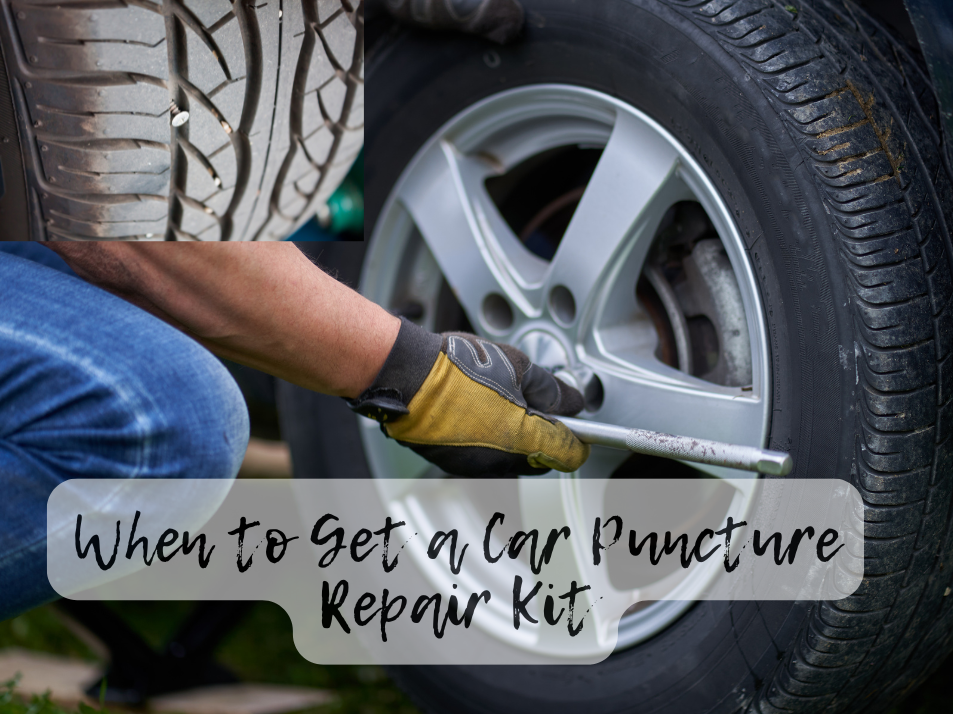
A flat tyre has a way of arriving at exactly the wrong moment. On the way to school, on the
morning of a long drive, in a car park with a full boot and nowhere to be late. The instinct is
often to assume the worst, that the tyre is ruined and needs replacing, but that’s not always the
case. Understanding when a car puncture repair is possible, and when it isn’t, can save a
meaningful amount of time, money, and unnecessary stress.
Unexpected tyre trouble does not always call for a brand-new tyre, with car puncture repair
from Dexel Tyre & Auto Centre an option when the damage is repairable. Here is what is
worth knowing before assuming the worst.
Most Everyday Punctures Are Repairable
The majority of punctures caused by everyday road hazards; a nail, a screw, a small piece of
sharp debris, fall into the repairable category. The key factors are where the damage is
located and how large it is.
A cut in the middle three quarters of the tread area and less than about 6 mm in diameter is
generally a good candidate for repair. This covers the vast majority of punctures that most
drivers will ever have. Sidewall damage is another story. The sidewall is the rounded area
between the tread and the wheel rim. As the sidewall is constantly flexed as the tyre rotates,
repairs cannot be safely carried out irrespective of puncture size and therefore replacement is
necessary.
Knowing this difference before calling a garage means the conversation starts from a more
informed point and saves an unnecessary tyre replacement when a repair would have been
perfectly safe and much cheaper.
Driving on the Flat Changes the Outcome
It makes a big difference how a puncture is treated in the first few minutes. The temptation to
keep driving to get to a more convenient spot, a familiar garage, or even just home can turn a
repairable puncture into a full replacement.
Driving on a tyre that is severely under inflated or flat, even for a short distance, can cause
internal structural damage to the tyre far beyond the original puncture. A simple, cheap repair
may become a replacement simply because the tyre was driven on after losing air. Stopping
safely as soon as you can gives the tyre the best chance of being repairable, which is almost
always the cheaper option.
What a Proper Repair Involves
The standard procedure for fixing a car puncture is to remove the tyre from the wheel, inspect
it internally for any hidden damage, and then use a combination repair to patch it. According
to UK guidelines, an external plug, which involves simply pushing something into the hole
without removing the tyre, is not regarded as a permanent or safe repair.
This is crucial because, even though a plug-only fix might be effective temporarily, you can’t
depend on it to continue driving over longer distances or at expressway speeds. Knowing
what constitutes a good repair enables drivers to make informed decisions about where to
have the work done and what inquiries to make.
When It’s Time for Replacement
Sometimes car puncture repair isn’t possible and it’s important to be aware of when that is the
case. Replacement is necessary for tyres that have sidewall damage, have been run flat, have
multiple punctures in the same tyre, or are already close to the legal minimum tread depth of
1.6mm.
A professional inspection will tell you which category the damage belongs to. Often that
inspection takes only a few minutes, and if repair is an option the work itself is quick and
much less expensive than replacing the part. If replacement is necessary, knowing that with
certainty is useful too, it removes the guesswork and allows a straightforward decision to be
made.
The Cost and Time Argument
The financial case for knowing how to fix a car puncture is simple. A professional repair
usually costs a fraction of a replacement tyre, often less than a quarter of the price. It really is
a saving for a family car doing regular mileage to avoid an expensive tyre replacement on a
set that still has plenty of life in it.
The time argument is just as useful. A repair appointment is usually quicker than a full tyre
change and can often be booked sooner. When it’s an option, a repair gets everybody moving
faster and with less disruption than a replacement would for a car that needs to be back on the
road.
Knowing what is repairable and what is not takes a few minutes, and it’s the kind of
practical knowledge that pays off when you actually need it, before a puncture happens. Less
unnecessary replacements, faster choices and less time standing next to a flat tyre wondering
what’s next.


